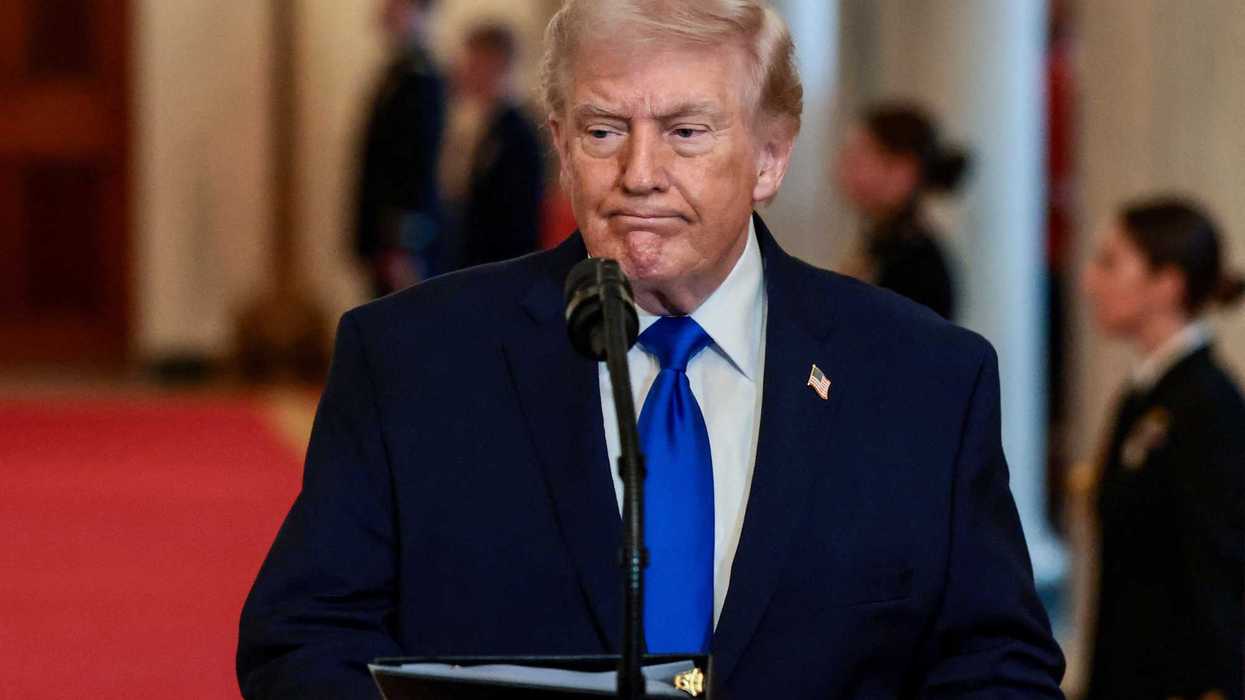
Republican strategists warn President Donald Trump that his economic message could clash with voters concerned about high prices, energy costs and housing as the GOP approaches the final phase before the November midterm elections.
A Republican strategy consultant involved in a congressional campaign, Jason Cabel Roe, told the Washington Examiner that “people are struggling on the affordability issue” and added that candidates could seem out of touch if they try to sell voters on economic stats.
At a time when the Republicans are trying to make use of the reports showing job growth, rising consumer spending, and the steady unemployment rate, some members of the GOP believe they could be making the same mistake that damaged former President Joe Biden, that is, stating to voters that the economy is strong even though many households do not feel that their situation has improved.
A Republican strategist based in a rural farm state told the Examiner that polls still show the economy as a major issue and that “people aren’t feeling great about it.” Farmers are currently encountering higher costs for their inputs and for fuel during the harvesting season, with diesel prices having gone above $6 a gallon in some areas.
Representative Rob Wittman of Virginia, a Republican running in a fiercely contested district, made the same comment, noting that people “don’t experience the economy through a GDP report.” He also said that voters are basing their assessment by looking at their grocery bills, the price of gas and utility bills.
The survey reflects GOP strategists' caution; the Conference Board noted that its consumer confidence index fell 6.7 points to 81.9 in September, the lowest level since April 2014. According to Reuters, the decline was seen across the political aisle, age and income groups.
The University of Michigan Consumer Sentiment Index fell to 48.1 in September from 51.7 in August and is now 15 percent lower than in January. Republican sentiment has declined by 20% since January, and Democratic sentiment has also decreased by 13 percent, according to the survey.
Republicans still maintain that the tax cuts they supported and other policies have brought savings to both workers and businesses. Representative Derrick Van Orden of Wisconsin, a Republican, told the Examiner that the Republicans do have a strong economic argument, citing tax measures relating to tips, overtime, Social Security, and families.
It has become hard for GOP candidates to ignore affordability. Senate Republicans have returned to Washington to review bills intended to protect consumers from rising electricity prices, and Majority Leader John Thune said Republicans are facing economic “headwinds” in their campaigns across the country.
As Election Day approaches, Republican candidates are focusing more on economic messages based on costs voters see directly rather than on national growth figures in the final weeks.